

Smart, Stylish, and Inclusive: The Evolution of Men’s Adaptive Clothing in the 21st Century
Style has always played a role in identity, but for many men with disabilities or mobility challenges, fashion has historically overlooked their needs. For years, functional menswear meant sacrificing modern style. Today, that’s changing. Adaptive clothing for men is evolving to include both practicality and personality—offering designs that are smart, accessible, and confidently stylish. The 21st century has ushered in a new era of inclusive menswear where comfort doesn’t come at the cost of self-expression.
A Shift in Priorities: Function Meets Fashion
Men’s adaptive clothing has long been designed with a utilitarian mindset, focusing on ease of dressing above all else. But that narrow approach left little room for style or individuality. As society’s understanding of disability and fashion expands, so do the options available. Now, adaptive menswear is made to look as good as it feels—incorporating features like magnetic closures, seated tailoring, and sensory-friendly fabrics with the same style-minded attention as mainstream fashion brands.
Rethinking the Basics of Style
Designers are starting to understand how men’s adaptive fashion is evolving, not just in terms of physical features but in cultural relevance. There’s a growing awareness that looking sharp and feeling confident go hand in hand. Whether it’s adaptive jeans with flexible waistbands or formalwear designed for seated wear, the goal is no longer just access—it’s expression. Style-forward adaptive lines are proving that functional clothing can still make a strong fashion statement.

Adaptive Wardrobes for Every Occasion
One of the biggest developments in recent years is the expansion of adaptive menswear beyond lounge and medical wear. Today, men can find adaptive pieces for work, social outings, workouts, and even special events. Brands are investing in versatile collections that cater to the full range of a modern lifestyle. It’s no longer about dressing for necessity—it’s about dressing for life, whatever that looks like.
Honoring Independence and Identity
Clothing is more than fabric—it’s a form of agency. Adaptive designs that allow for independent dressing help reinforce self-confidence and autonomy. Magnetic shirts, easy-zip pants, and shoes with one-handed fastening systems empower men to take charge of their daily routines without needing assistance. That kind of independence is transformative and reinforces a sense of personal pride and self-respect.
Adaptive Style at Every Age
From young professionals to retirees, men across the age spectrum are benefiting from the growing availability of inclusive clothing. Adaptive brands are now designing with a broader view of what it means to age with grace and dress with dignity. For older men dealing with arthritis or limited mobility, features like wide openings and non-restrictive materials are key—without sacrificing the polish of classic menswear.
Breaking Stereotypes in Fashion
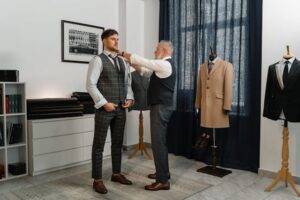 For decades, adaptive fashion flew under the radar, often relegated to behind-the-scenes catalogs or clinical environments. But today, it’s finding its place on runways, in major retail stores, and high-profile campaigns. Men who use wheelchairs, live with limb differences, or experience sensory challenges are finally seeing themselves represented in fashion media.
This visibility is breaking down outdated stereotypes and opening doors for more innovation in inclusive design. Men’s adaptive clothing is no longer a niche market—it’s a vital part of the larger fashion conversation. As more designers embrace inclusive thinking, the possibilities for stylish, functional, and empowering menswear continue to grow. The modern man deserves clothes that meet his needs and match his sense of self. With adaptive fashion leading the way, the future of menswear looks smarter, bolder, and more inclusive than ever.…